Gluing the Drum Bus with Saturation and Shaping Its Impact with Transient Control
Discover how balancing shared harmonics with carefully shaped attacks can transform a disconnected drum mix into a cohesive, powerful, and emotionally engaging performance.
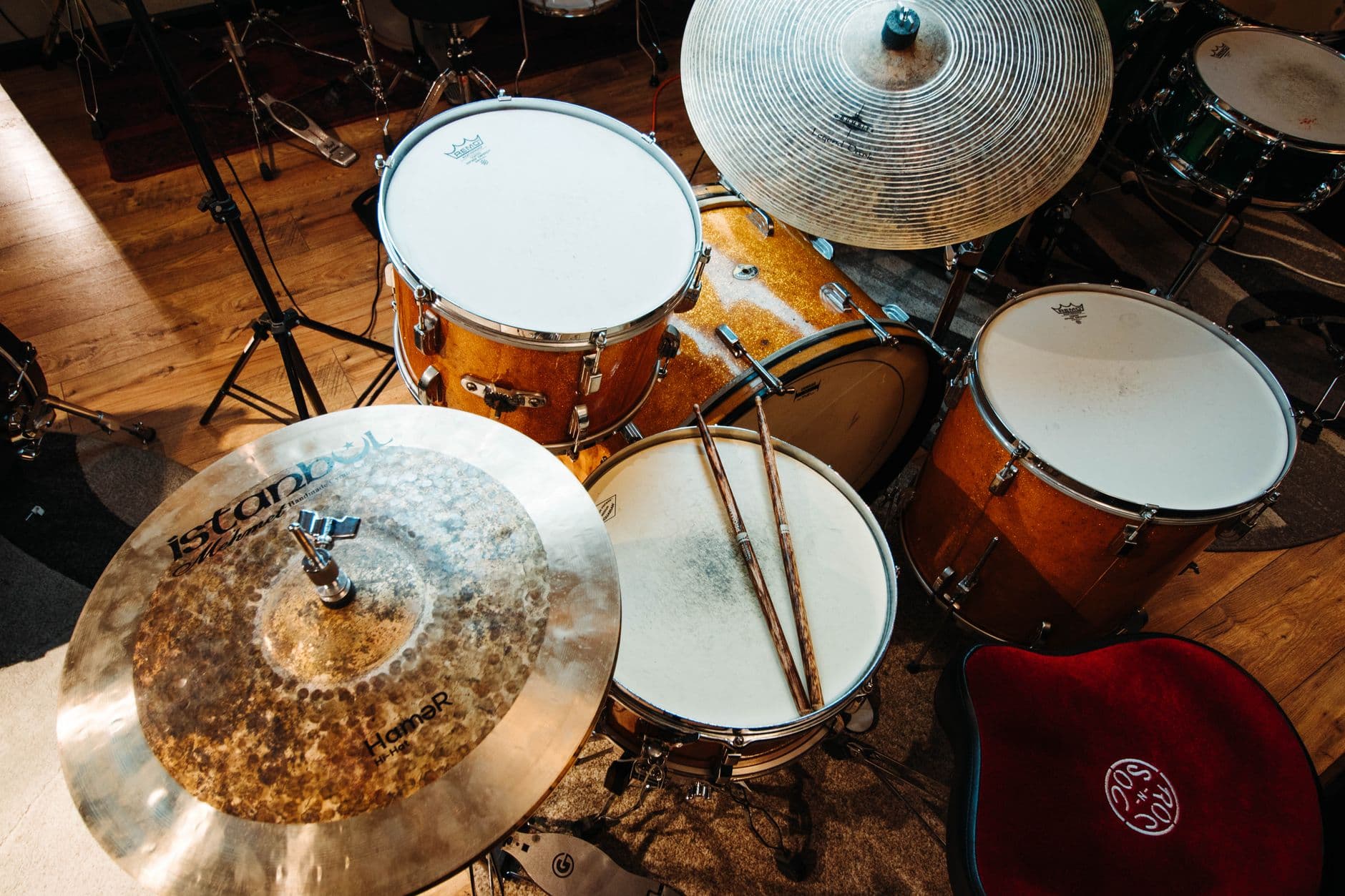
Drum mixing is often a relentless battle for cohesion and impact.
In a standard modern mix, you have multiple microphones capturing different parts of the very same instrument. You use close microphones on the snare, the kick drum, the toms, stereo overheads capturing the cymbals, and distant room microphones capturing the acoustic environment. Because of these varying perspectives, the kit pieces can easily sound disjointed. They can sound almost as if they belong in completely different recording spaces.
When the primary problem is this tonal separation and lack of identity, drum bus saturation might just be your key to unity.
Generating Shared Harmonics
Running your entire drum bus through a saturator fundamentally changes the feel of your mix.
The saturator on a drum bus does not process the kit pieces separately. It treats them as a single, unified, living sound. As those drums push into the plugin together, their frequencies interact. They clip and distort in a highly musical way that naturally blends them.
The saturator creates a new richness, warmth, and color that belongs to the whole drum kit simultaneously. It acts as an acoustic adhesive. Instead of hearing a sterile collection of isolated microphones, you hear the pieces share the same harmonic fingerprint, placing them firmly in the same sonic world.
Additionally, saturation provides a subtle form of dynamic control. By gently rounding off the very loudest peaks of the drum hits, saturation increases the perceived loudness of the kit. Your drums sound massive and dense without actually taking up more headroom on your master fader. This process fills the empty gaps between the hits, making the entire performance feel incredibly powerful.
The Role of Transients

If your drum kit sounds weak, smeared, or lifeless, the kit will easily get lost behind a dense wall of guitars, synthesizers, and heavy bass lines. Furthermore, heavy saturation can sometimes naturally flatten these crucial peaks, leaving your drums sounding warm but entirely lacking in punch.
This is why transient control is vital alongside saturation. Transient emphasis can add devastating punch, restore lost articulation, and bring forward driving movement back into the rhythm section. By sculpting the attack and the sustain, you ensure that the groove translates perfectly, even on smaller speakers where low frequencies might completely disappear. You are effectively designing the physical impact of every single hit.
The Problem with Processing Chains
Trying to achieve this balance with a long chain of plugins can become incredibly frustrating. Gain staging becomes a nightmare when you have to constantly adjust levels between your saturator and your transient designer.
If you boost the transients before the saturator, the sharp peaks might trigger unwanted, harsh distortion. If you place the transient shaper after the saturator, you risk undoing the cohesive glue that you just created. Finding the perfect sweet spot requires endless tweaking and constant monitoring. Applying these techniques requires a careful, deliberate touch.
Bringing it Together
This delicate balance on the drum bus was one of the core inspirations behind EMBER, a saturation and transient shaping plugin by NoizLabs.
EMBER was designed to address these complex harmonic and dynamic needs through a single, unified process, without the constant hassle of juggling separate saturation and transient shaping plugins. The interaction between harmonic generation and transient control is carefully calibrated under the hood.
This allows you to add the harmonic richness of saturation and the cutting punch of a shaped transient without sacrificing the natural dynamics and emotion of the original performance.