Clipping in Mixing for More Headroom
A clipper is not just a loudness tool. Used before compression, it can catch rogue peaks, create headroom, and help your compressor react more musically.
Most compression problems are not really compression problems.
Sometimes the compressor is doing exactly what you asked it to do. The problem is that the signal going into it is a little too wild.
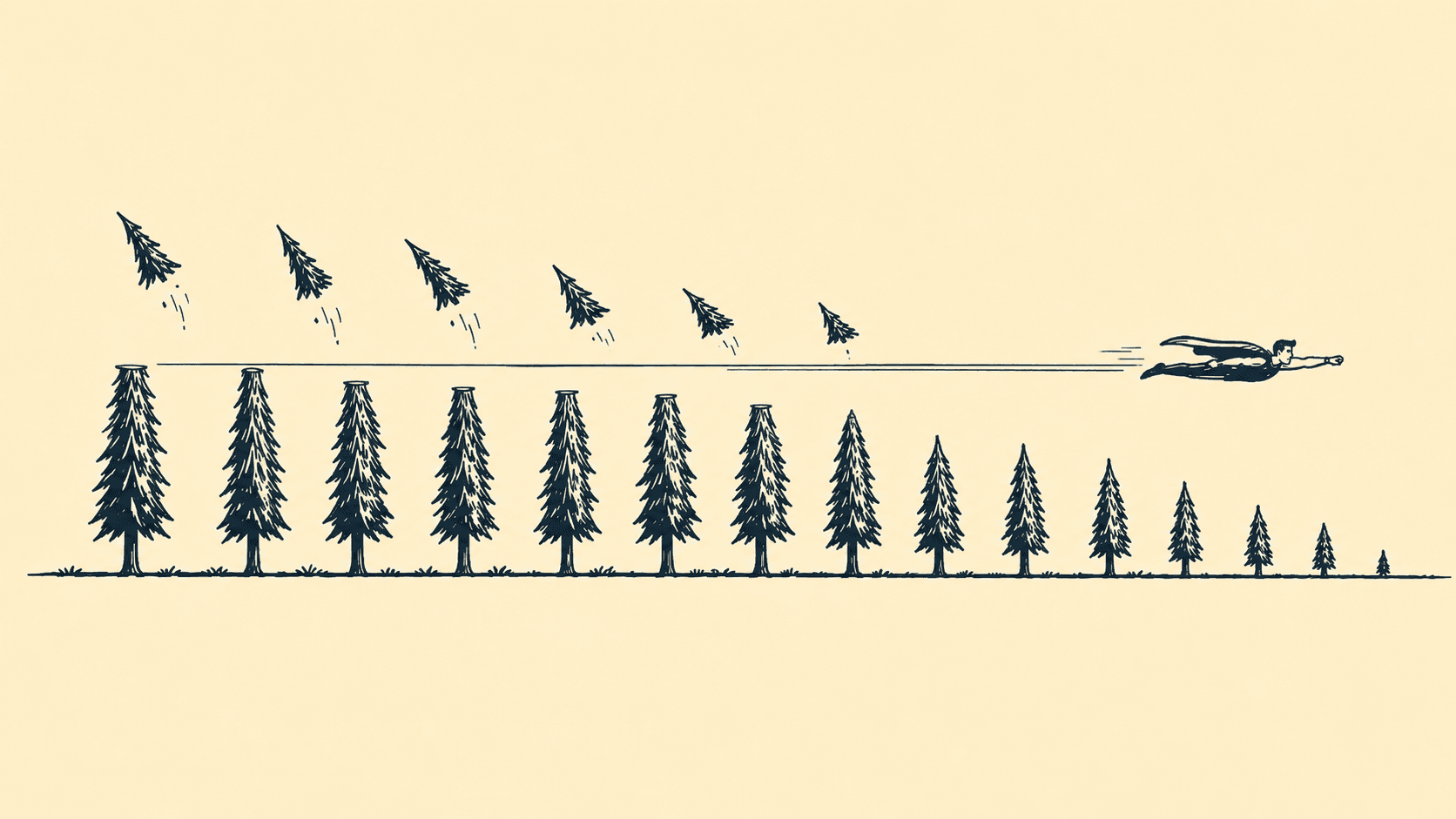
One snare hit jumps out.
A kick transient pokes 5 dB above everything else.
A bass note has one nasty peak that makes the compressor duck the whole performance.
So you adjust the attack. Then the release. Then the ratio. Then the threshold. Then you start wondering if this compressor is even the right one.
But maybe the compressor does not need replacing.
Maybe it just needs a little help before the signal gets there.
That is where clipping becomes useful.
A compressor does not know which part of the sound you care about.
It does not know that the body of the snare feels perfect but one transient is too tall. It does not know that the bass groove is good except for one note. It simply sees level crossing the threshold and reacts.
That means a few short peaks can make the compressor work much harder than necessary.
The result can be:

- Less punch
- Unwanted pumping
- A smaller-sounding drum bus
- Bass that feels uneven
- Mix bus compression that reacts too obviously
This is why shaving a few peaks before compression can feel surprisingly natural.
You are not crushing the sound.
You are just removing the tiny bits that keep triggering the compressor too aggressively.

A simple drum bus example
The chain might be:
Drum Bus → EQ (Cut) → Clipper → Compressor → EQ (Shape) / Limiter
The clipper only catches the tallest peaks. Maybe 1–2 dB. Nothing dramatic.
Now the compressor receives a more controlled signal. It can still glue the drums together, but it does not overreact every time the snare jumps out.
The drum bus often feels louder, steadier, and more forward, even if the actual peak level is lower.
That is the whole trick.
You are gaining headroom without making the drums feel smaller.
Clipping is headroom management
In a dense mix, small peak reductions add up. If your kick, snare, percussion, bass, and drum bus are all throwing unnecessary peaks into the mix bus, your final limiter has to deal with all of that later.
By controlling some of those peaks earlier, each channel behaves better.
You do not have to slam the master limiter as hard.
You do not have to over-compress the drum bus.
You do not have to lower everything just because one transient is too tall.
That is why clipping can make a mix feel cleaner.
Soft or Hard?
Soft clipping is useful when you want the peak control to feel rounder and more musical. It can add a little density while smoothing the top.
Hard clipping is useful when you want cleaner, sharper peak control. It can work beautifully on drums, but things can get ugly fast if you push it too far.

A variable clip shape is ideal because you can find the point between “smooth” and “surgical.”
For example, NoizLabs' Beheader is designed around this exact kind of focused clipping workflow: letting you move between soft clipping and hard peak control. That makes it useful before compression, before limiting, or anywhere a few wild peaks are stealing headroom from the rest of the mix.
The goal is not to hear “the clipper.”
The goal is to make the next processor behave better.
How much clipping is enough?
Less than you think.
A good starting point is to lower the clipping threshold until you see or hear the tallest peaks being trimmed. Then back off a little.
For drums, 2–3 dB of clipping can be plenty.
For bass, even less might be enough.
For sound design, of course, all rules are optional.
The most important move is level matching.
Clipping often makes things feel louder or more forward. That can fool you. Match the output level and compare again. If the clipped version feels more controlled, punchy, or easier to compress at the same loudness, you are probably on the right track.
If it feels smaller, scratchy, or flat, you have gone too far.
A compressor is great at shaping movement.
But it is not always the best tool for dealing with tiny, violent peaks.
Sometimes the cleanest move is to clip those peaks before they reach the compressor. Not as an effect. Not as a loudness trick. Just as practical mix housekeeping.
Trim the spike.
Keep the body.
Let the compressor breathe.
That small move can make the whole mix feel more controlled without making it feel more processed.